
Leaking When You Sneeze? Common, But Not Normal.
Jul 09, 2026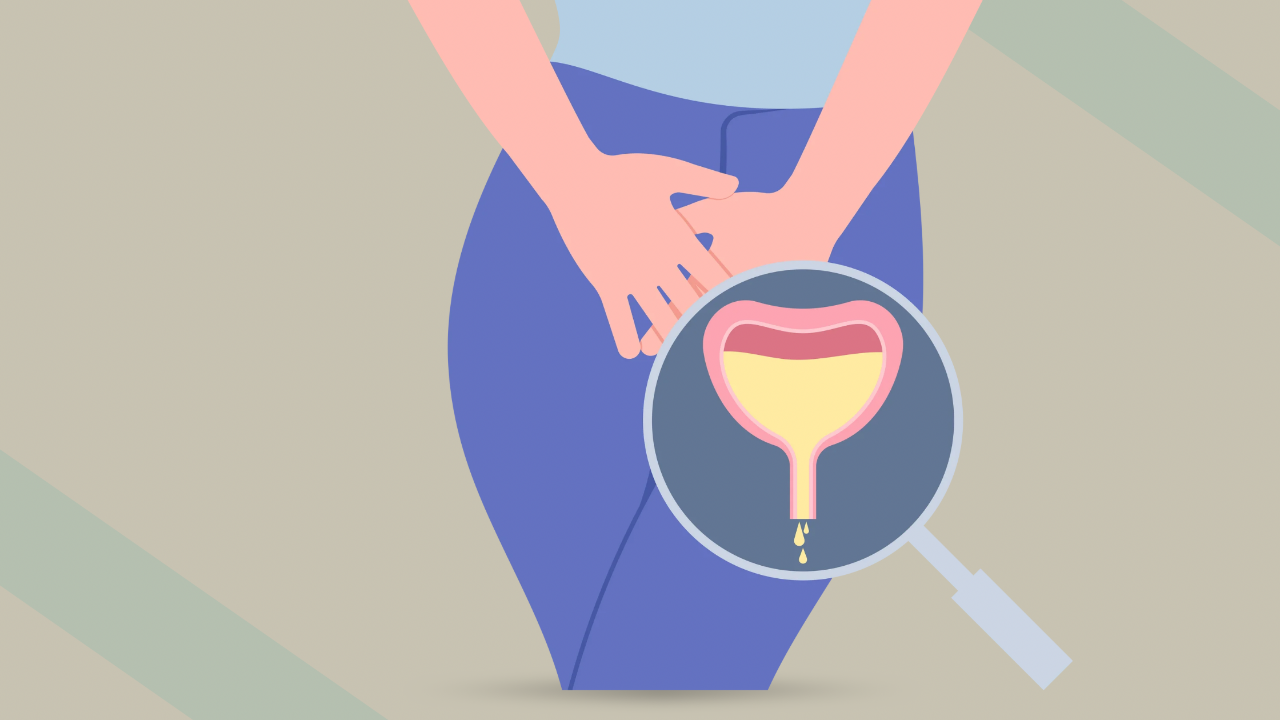
Leaking When You Sneeze? Common, But Not Normal.
Laughing until you cry is great. Laughing until you leak is a different story. If you are dealing with bladder leaks, you are definitely not alone.
Countless women pack extra underwear in their bags, cross their legs tight during a sneeze, or skip workouts entirely. Because this happens to so many people, society tells us it is just a normal part of being a woman, getting older, or having babies. We laugh about it in group chats and see memes about "pee-proof" leggings.
But there is a massive difference between a condition being common and it being normal. This specific form of incontinence is called stress urinary incontinence, and it can affect women at any stage of life—whether they are pregnant, postpartum, or have never been pregnant at all.
The Myth of the "Incontinence Tax"
Let’s clear this up right now: you do not have to live with daily leakage.
Leaking is a sign that your body is struggling to manage internal pressure. When you sneeze, cough, run, or jump, pressure increases inside your abdomen. If your support system cannot handle that sudden pressure spike, fluid escapes.
While your body goes through incredible shifts during life, aging, and childbirth, leaking is a symptom of dysfunction, not a permanent baseline. Accepting it as your new reality means leaving a treatable physical issue unaddressed which ultimately impacts your quality of life and how you engage in the roles and responsibilities you want, need, and love to do!
It Affects Every Stage of Life
Bladder leaks do not discriminate based on your reproductive history. The root causes look slightly different depending on your stage, but the core issue remains the same:
- Pregnancy: A growing baby alters your posture and places physical weight directly on the bladder and pelvic floor. Hormones also loosen connective tissues, making it harder for muscles to close the urethra firmly against sudden sneezes.
- Postpartum: Pregnancy and birth stretch the pelvic floor muscles and nerves. This can lead to bladder leaks after birth due to muscle weakness, scar tissue, or a lack of coordination in the deep core.
- Non-Pregnant: You do not need to carry a baby to experience leaks. High-impact sports, chronic coughing, heavy lifting, hormonal shifts during menopause, or even long-term constipation can strain the pelvic floor over time.
Why Kegels Aren't Always the Answer
When women complain about leaking, the generic advice is almost always: "Just do your Kegels."
However, squeezing those muscles blindly can sometimes make the problem worse. Involuntary leaking is not always caused by weak muscles. Sometimes, the pelvic floor muscles are actually too tight, rigid, and overworked. Doing kegels and further tensing an already exhausted muscle will not stop the leaks.
Your pelvic floor does not function alone. It functions as part of a deep core canister that includes your diaphragm, your abdominal muscles, and your back.
The Fix: Functional Rehabilitation
To truly heal, you need to look beyond isolated muscle squeezes and embrace functional rehabilitation.
Functional rehabilitation trains your pelvic floor to work automatically during everyday movements. You do not just need strong muscles when you are sitting still; you need them to react dynamically when you lift a heavy grocery bag, run, or sneeze.
This holistic approach focuses on:
- Breathing Mechanics: Learning how your diaphragm, core, and pelvic floor move and work together.
- Core Coordination: Rebuilding the synergy between your abs and your pelvic floor- assuring they are strong both in contracting and relaxing.
- Movement Integration: Training your body to manage pressure during real-life tasks- from working out to grocery shopping, navigating your 9 to 5 with a pregnant belly in toe to laying your newborn down in their crib.
Simple Habits to Reduce Bladder Leaks
While you work on retraining your core, minor shifts in your daily routine can significantly reduce the pressure on your bladder right now.
- Blow as You Go: Exhale during exertion. Breathe out right as you lift something heavy, stand up from a chair, or push open a heavy door to naturally release internal belly pressure.
- The "Knack" Technique: Squeeze before you sneeze. Actively engage your pelvic floor a split second before you cough, sneeze, or laugh to brace against the sudden downward force.
- Ditch the Hover: Sit fully on the toilet. Hovering over toilet seats keeps your pelvic floor muscles tense, preventing your bladder from emptying completely.
- Hydrate Strategically: Sip water consistently and gradually throughout the day. Drinking too little water makes your urine highly concentrated, which irritates the bladder lining and triggers sudden, urgent leaks.
Your Next Steps to Dry Days
You do not have to accept pad dependency as a mandatory tax on womanhood. Your body is capable of healing and adapting.
The most effective way to start functional rehabilitation is to work with a specialist in pelvic floor therapy. These specialized occupational and physical therapists can evaluate your specific muscle tone, identify the root cause of your leaks, and give you a customized roadmap to recovery.
Bladder leaks are incredibly common, but they are absolutely treatable. You deserve to sneeze, laugh, and move with total confidence.
Take the Next Step in Your Recovery
True recovery takes time, patience, and the right structural support. You do not have to navigate the complexities of postpartum healing alone or settle for symptoms that limit your daily life.
Ready to rebuild your strength from the inside out? Grab our Pelvic Floor 101 Guide in our store to access a guide on how to understand baseline pelvic floor essentials! Or fast-track your healing by booking a Pelvic Health Coaching Call or purchase our specialized 8-Week Vaginal or 12-Week C-Section Recovery Protocols to safely restore your function today.
Stay connected with news and updates!
Join our mailing list to receive the latest news and updates from our team.
Don't worry, your information will not be shared.
We hate SPAM. We will never sell your information, for any reason.